
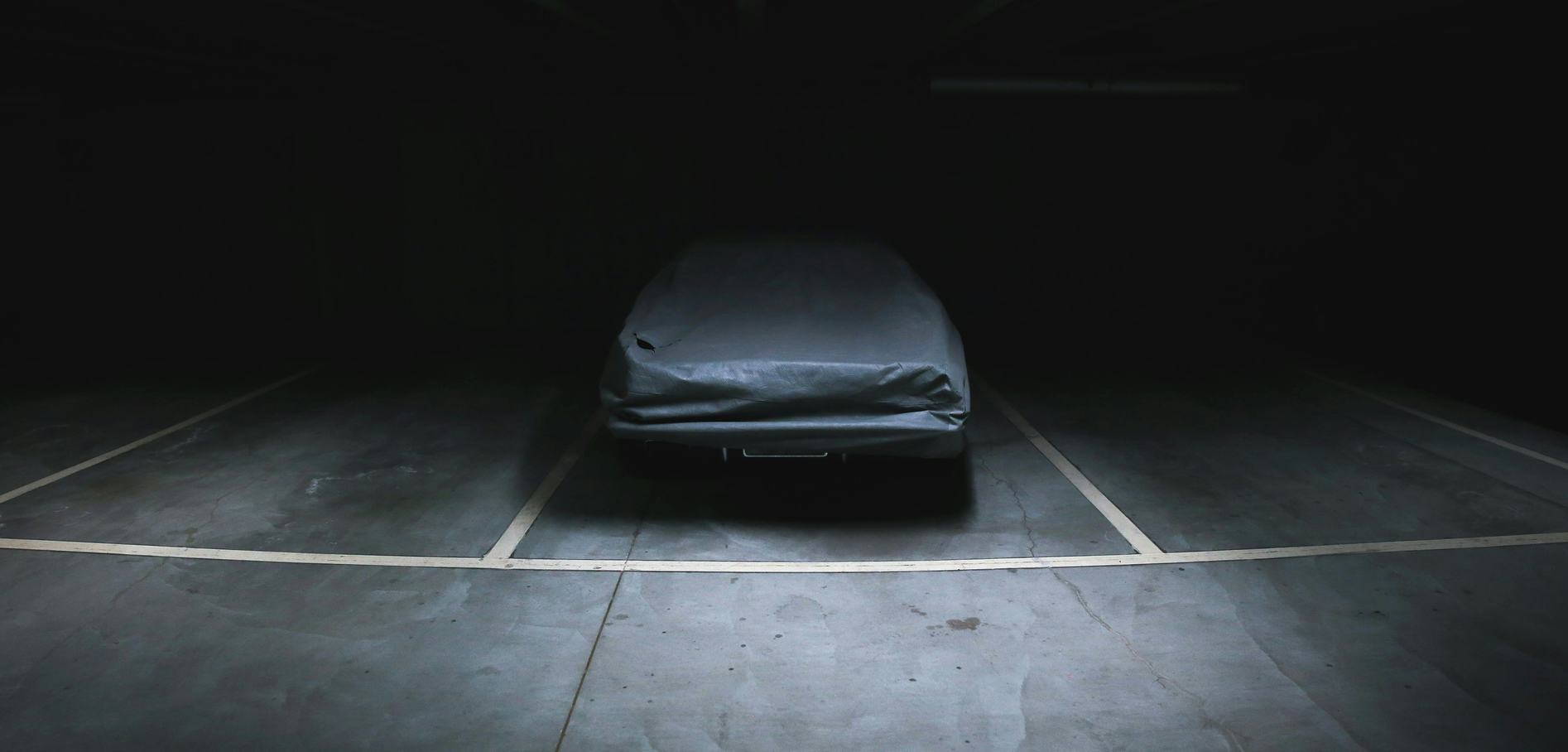
A car that sits for a season keeps whatever was on it when it was parked. Dirt, droppings and damp all get longer to work, inside and out. This article covers getting the car clean and dry before storage, covering it and waking it up again, and leaves the mechanical side to the owner's manual.
Clean it fully before it sits
Give the car a complete wash, wheels, wheel wells and underside included, so no salt, droppings or bug remains sit on it all season. Dry every surface, then open each door, the trunk and the fuel flap and dry the jambs and sills. Leave the doors open a while longer so damp can escape from the cabin.
Add a layer of protection to the paint and the trim, since nobody will touch them for a long stretch. Rest each wiper blade on a folded soft cloth, or lift the arms if the owner's manual allows it, so the rubber does not take a set against the glass.
- A full wash, the underside and wheel wells included
- Door jambs, sills and the fuel door dried
- Protection on the paint and the trim
- Wiper blades rested on a soft cloth
Empty and clean the cabin
Take everything out: wrappers, drink containers, gym bags, papers and anything damp. Crumbs and sticky spills draw mice and insects, and wet items grow mildew in a closed car. Vacuum the seats, the carpet and the trunk floor, and wipe the hard surfaces with an interior cleaner.
Let the carpets and floor mats dry fully before you close the car, and leave the mats out if they are still damp. A moisture absorber in a container on the floor helps in a damp garage; keep it upright, somewhere children and pets cannot reach. The interior guide covers the cleaning itself.
- No food, drinks or wrappers left inside
- Carpets and mats dry before the doors close
- A moisture absorber, standing upright on the floor
The battery, the fuel and the tires
Follow the owner's manual for the battery, the fuel and the tires, since the right steps differ between cars, and between gas, hybrid and electric. The manual says whether to fit a battery maintainer, how full to leave the tank and how to set tire pressures for a long rest. Prime Axle covers the cleaning and the finish, not these steps.
If you use a battery maintainer, read its own instructions as well, and keep the battery terminals clean and dry. Wipe the dust from the tire sidewalls and put nothing on the tread. A leak under the car or a dashboard warning light is for a mechanic to look at before the car goes into storage.
- The owner's manual for the battery
- The manual again for the fuel and tire pressures
- A mechanic for any leak or warning light
Covering a stored car
A cover keeps dust, droppings and sun off the paint, but only a breathable one belongs on a stored car. A plastic sheet or a waterproof tarp traps moisture underneath, which can cloud the paint, spot the glass and encourage rust. A covered car still needs air moving around it.
Put the cover on a clean, dry car, never a dusty one, and pick one cut for that body shape so it does not flap. Indoors, a light dust cover is often enough. Lift the cover now and then, especially after a wet spell, and air the cabin by opening a door on a dry day.
- Breathable fabric, not plastic or a tarp
- Fitted on a clean, dry car only
- Cut closely enough that it does not flap
- Lifted now and then to look for damp
Bringing the car back out
Before you drive, walk around the car and look underneath for leaks, nests or chewed wiring, and check the cabin for droppings or a musty smell. Set the tire pressures as printed on the door jamb sticker and do whatever else the manual asks after storage. A warning light or a leak goes to a mechanic.
Then give the car a gentle wash to lift the dust of the season, and dry it fully. Brakes can carry a film of surface rust after a long rest and will be wet after a wash, so try them gently, at a walking pace, before you join traffic. Freshen the protection on the paint once the car is clean.
In short
- Store the car clean, dry and protected
- Empty the cabin of anything that can rot or draw pests
- Follow the owner's manual for the battery, fuel and tires
- Use a breathable cover on a clean car and let it breathe