
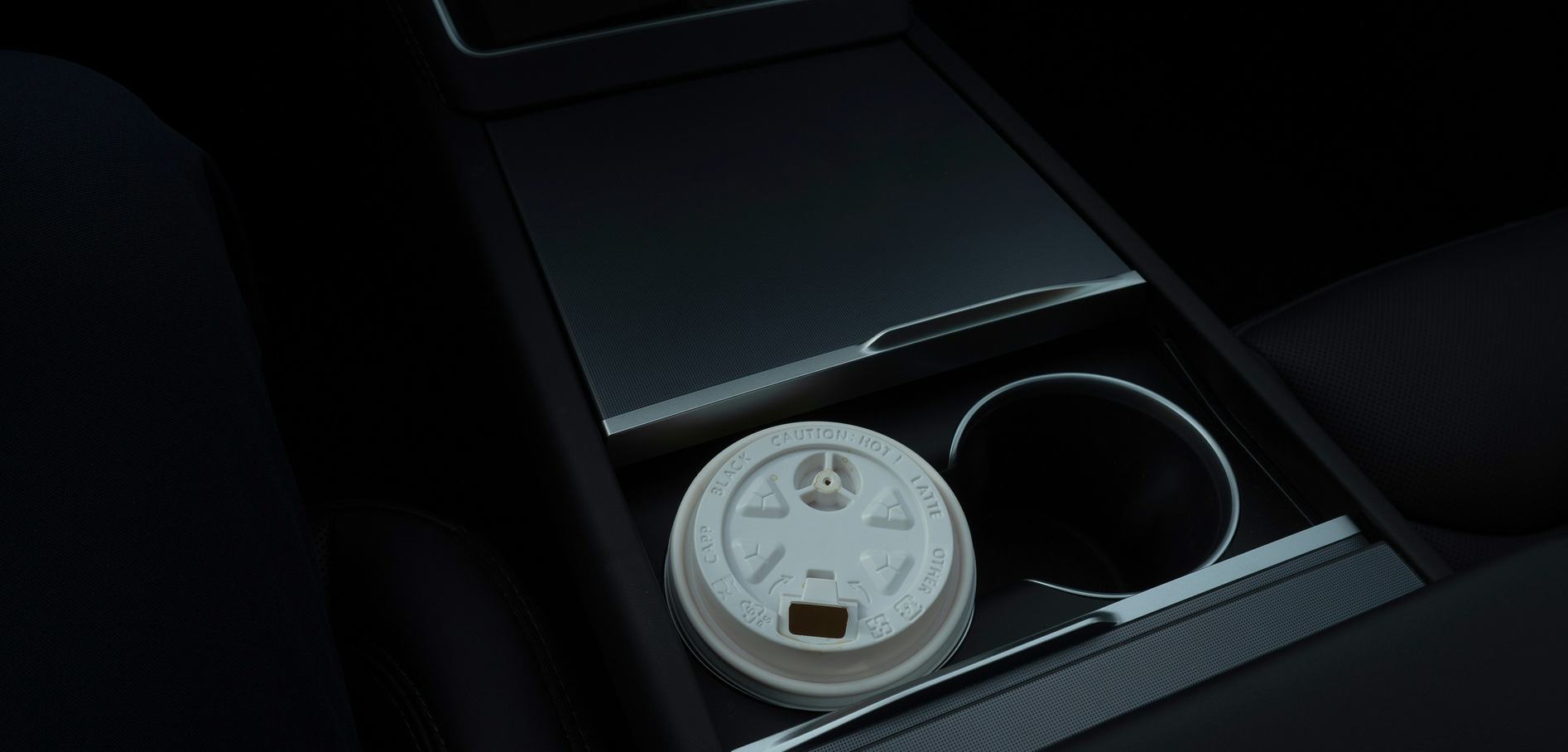
A cabin collects coffee, juice, mud, sunscreen and now and then a carsick passenger. A spill dealt with straight away is usually gone by the next morning, while one left to bake in a closed car sets into the fabric. This article covers the first response, the common stains and the smells that keep coming back.
The first thing to do after a spill
Blot, do not rub. Press a clean, dry towel onto the spill to soak up as much as you can, working from the edge inward so it does not spread. Rubbing pushes the liquid deeper into the fabric and roughs up the fibers.
Then dampen the area lightly with plain water and blot again, which dilutes whatever is left. Leave the windows down or the doors open so the seat or carpet dries, since trapped damp is where most car smells begin. A couple of towels and a small bottle of water in the car cover this.
- Blot from the edge inward
- Dampen with plain water and blot again
- Let the area dry with air moving through
Common stains on fabric and carpet
Most fabric stains respond to an upholstery or carpet cleaner sprayed lightly, worked in gently with a soft brush, then blotted out with a damp towel. Test it first on a hidden spot, such as under the seat. Use as little liquid as you can, since a soaked seat lets water reach the foam beneath, where it is slow to dry.
Coffee and juice come out more easily while they are fresh. Mud is the opposite: let it harden, break it up and vacuum it, then treat what is left. Greasy marks from food or sunscreen may need a cleaner whose label says it is for oily stains, and the interior guide explains how to work on each material.
- Coffee, tea and juice: blot, then upholstery cleaner
- Mud: let it dry, vacuum it, then clean
- Grease and sunscreen: a cleaner for oily stains
- Gum: harden it with ice in a bag, then lift it
Leather, vinyl and the headliner
Leather and vinyl do not soak up a spill the way fabric does, so wipe it off quickly with a damp microfiber towel. Follow with a cleaner made for leather and then a conditioner, both put on the towel first. Household wipes and all-purpose sprays can dry leather out or leave it tacky.
The headliner is glued to a backing board, and soaking it can loosen the glue and make it sag. Clean a mark there by dabbing it with a towel that is barely damp, with a touch of interior cleaner on it. Never spray straight onto the headliner, a seat with a side airbag or the airbag panels in the dash and steering wheel.
Finding and clearing a smell
A smell nearly always has a source, and covering it only hides it for a while. Look under the seats, along the seat tracks, in the door pockets and in the spare wheel well for forgotten food, a spilled drink or damp. Lift the floor mats and press the carpet underneath with a dry towel to feel for moisture.
Once the source is gone, clean the spot and air the cabin out with the doors open on a dry day. Baking soda sprinkled on dry carpet and vacuumed up later helps with an odor that lingers. Vents that smell musty often point to a tired cabin air filter, and the owner's manual shows where it is fitted and when to replace it.
- Under the seats and along the seat tracks
- Door pockets, cup holders and the trunk
- Under the floor mats, felt for damp
- The cabin air filter, if the vents smell musty
Damp that keeps coming back
A carpet that turns wet again after it has dried usually means water is getting in. The usual routes are a door or trunk weather seal, a blocked sunroof drain or the drain under the windshield cowl. Clearing leaves from the cowl is simple cleaning; anything more belongs to a mechanic or a body shop.
Until the leak is found, keep the carpet as dry as you can with towels and moving air, since mildew grows quickly in a closed, damp car. If mold appears, wear gloves and a mask to clean it, and keep children out of the car until it is clean and dry.
In short
- Blot a spill straight away and never rub it in
- Use as little liquid as you can on seats and the headliner
- Find the source of a smell before trying to cover it
- Damp that keeps returning is a leak for a shop to find